
Real Strength: Redefining Masculinity in a Noisy World
There is a strange thing that happens when you start paying attention to the noise around you. You begin to notice how many voices are trying to tell men who they should be, how they should act, what strength looks like, and what their place in the world ought to be. Some of those voices are well-intentioned. Some are outright toxic. Most are just loud. And in that chaos, it is easy for a man to lose his footing and start adopting ideas that feel strong on the surface but quietly weaken him underneath.
I spent a good chunk of my twenties and early thirties absorbing those messages without even realising it. The pressure to perform, to appear unshakeable, to be the guy who always has it together, seeped in early. I thought strength was about certainty, about pushing harder than everyone else, about being the one who never flinched. You can probably guess how well that worked out.
What I have learnt, especially through this Movember series and through years of working with men in the gym, on the trail, and in the messy middle of their real lives, is that strength is not what most of us were taught. And it is definitely not what the online mob is selling.
Real strength is something quieter. Something steadier. Something more grounded. I have come to believe it is rooted in a simple but powerful idea.
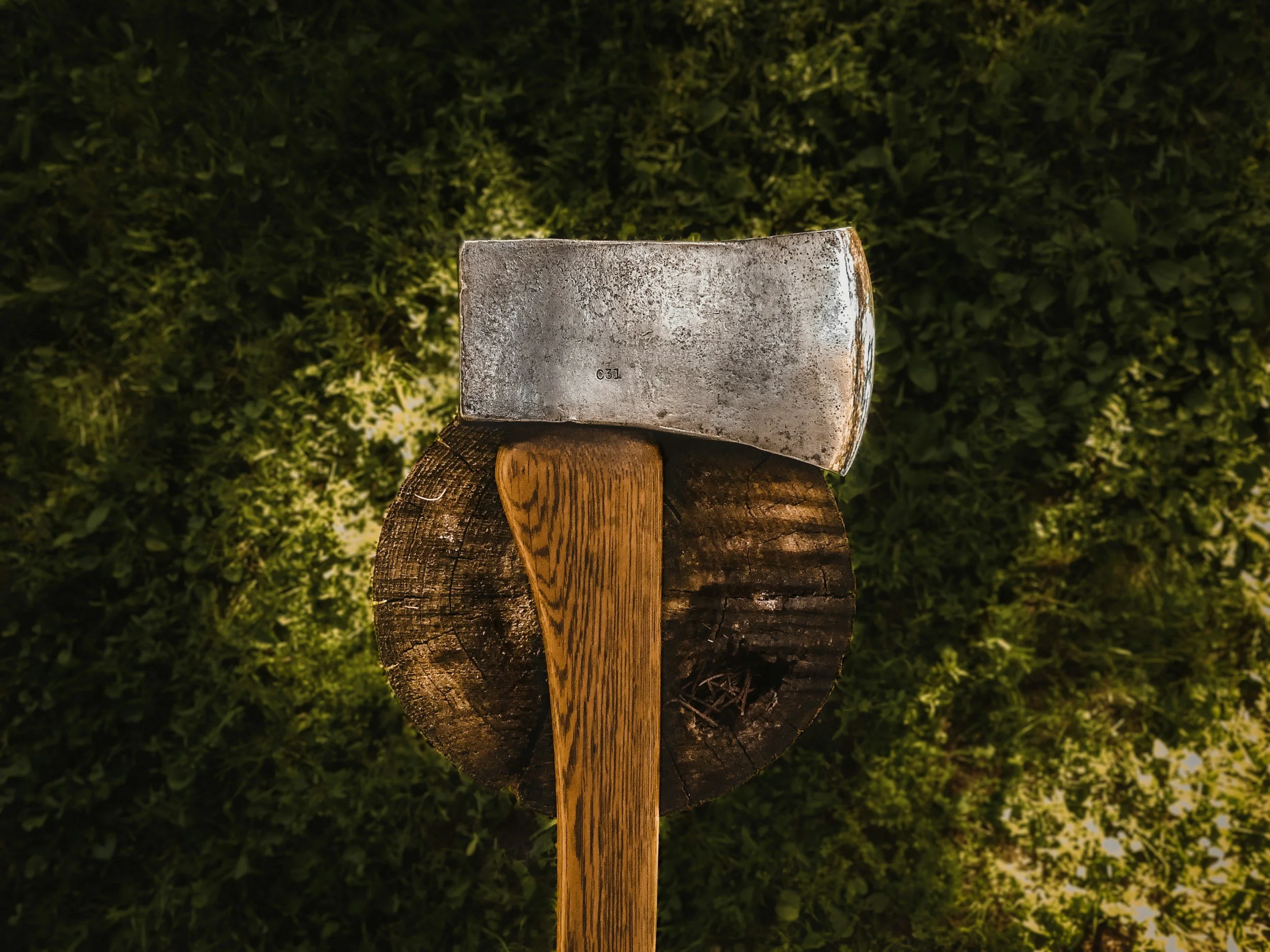
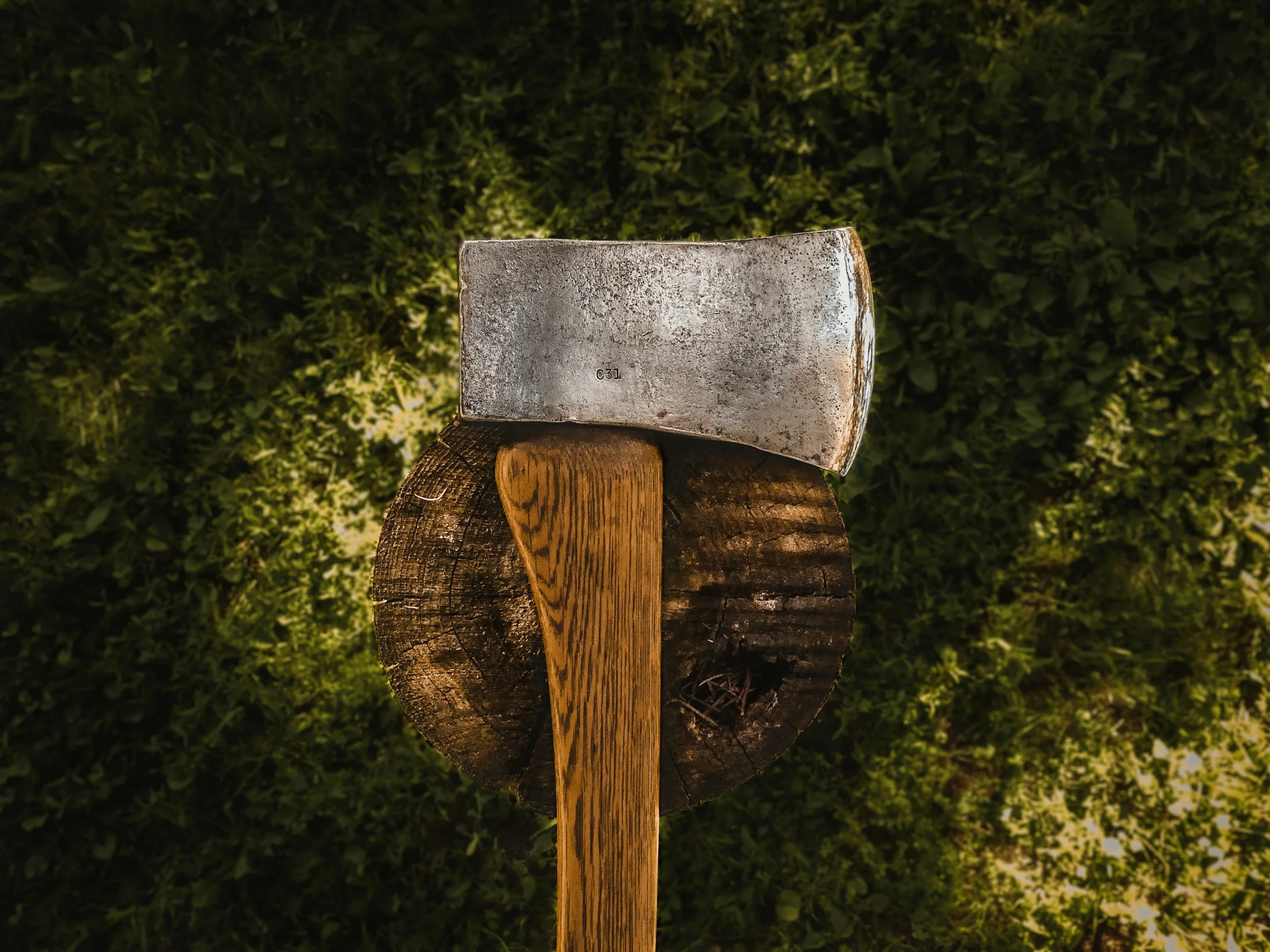
Be Strong To Be Useful.
This maxim has followed me through my own training, my coaching, and my life as a husband, father, and member of my community. It is the reason I keep showing up, even on days when I feel completely overwhelmed. It is the reason I keep training my body, sharpening my mind, and developing my character. Strength that is useful is strength that serves. Not just me. Everyone around me.
If you missed the earlier pieces in the series, they build a foundation for this one. In The Mask Men Wear, we looked at why men hide their struggles and how that silence quietly erodes their wellbeing. In The Cost of Silence, we explored how connection and brotherhood anchor men emotionally and socially. And in Raising Better Men, we talked about shaping the next generation by being the kind of man young people can trust and learn from.
This piece shifts the lens again. We are zooming out to the bigger picture. The cultural noise. The competing messages. The pressure to fit a mould none of us chose. And the quiet rebellion of choosing usefulness over dominance, steadiness over certainty, and service over self-promotion.
Because that is where real strength actually lives.
The Noise That Pulls Men Off Course
Spend ten minutes online and you will find dozens of opinions about what it means to be a man. Everywhere you turn there are posts trying to tell men how to act, how to carry themselves, how to win, how to lead, and how to claim what is theirs. The message is usually wrapped in the same language. Be alpha. Take what you want. Never back down. Strength is dominance. Sensitivity is weakness. Leadership means being louder or more forceful than everyone else.
It is an odd thing. These voices are often framed as “helping men reclaim masculinity”, yet what they are really pushing is insecurity disguised as strength. When a man believes he must always win, always be right, always be on top, and always be in control, he becomes someone who cannot listen, cannot adapt, and cannot grow. He becomes brittle.
This brittleness creates a particular mindset that I have seen play out in coaching, in friendships, and sometimes in myself. The world becomes a competition. Every disagreement feels like a personal attack. Other people’s success feels threatening rather than inspiring. A difference of opinion is seen as disrespect. Men who fall into this way of thinking start interpreting ordinary interactions as battles for status. Everyone becomes an opponent instead of a partner.
I have seen men who live this way become profoundly isolated. Even when they are surrounded by others, they feel alone because their guard never drops. The noise convinces them that vulnerability is dangerous and that collaboration is weakness. And ironically, the more they try to appear strong, the weaker they actually become.
I know this pattern because I have lived it in small ways myself. There were times in my life when I defaulted to defensiveness, when I read disagreement as challenge, when I felt I had something to prove. It never made me a better man. It made me a more anxious one.
That is the problem with noisy masculinity. It teaches men to perform strength instead of develop it. And that performance becomes exhausting. Eventually something cracks.

The Cost of Chasing the Wrong Kind of Strength
The cost of this misdirected version of masculinity shows up everywhere. I have watched men lose friendships, stall their careers, damage relationships with their families, and sabotage their physical and mental health because they are chasing the wrong kind of strength.
I have seen clients push themselves to extremes in the gym because they think being impressive matters more than being healthy. I have seen men withdraw from their partners because they think showing worry or confusion will make them look weak. I have seen ambitious men become paralysed by self-doubt because they fear the judgement that comes with being wrong or uncertain.
And I have seen the way some men treat life as a race where only one person is allowed to win. They see other men’s success as a threat instead of an invitation to rise. Healthy competition, which can motivate and elevate, becomes distorted into jealousy and resentment. Instead of learning from others, they attack or minimise them. Instead of cheering someone’s progress, they compare themselves and spiral.
The most painful cost, though, is the quiet one. The cost of disconnecting from others.
When a man feels he must be the strongest, most self-reliant, most unshakeable person in every room, he eventually creates distance between himself and everyone who could support him. He becomes the guy who never asks for help, who never admits fear, who never shows the full picture. That kind of silence does not fortify a man. It hollows him out.
This is why I wrote The Mask Men Wear earlier this month. The mask is not armour. It is insulation. And insulation isolates.
That isolation is where men begin to break.
I have been there myself more than once, especially during the pandemic when the combination of entrepreneurship stress, injury, and uncertainty magnified every vulnerability I had. I tried to hold the façade together because I did not want to be a burden or a disappointment. It only made everything worse.
Choosing healthier strength begins by noticing what the unhealthy version is taking from you.
Be Strong to Be Useful
When I first came across Georges Hebert’s words, "Être fort pour être utile" (Be Strong To Be Useful), something clicked. It reframed strength in a way that cut through all the cultural nonsense, and I was reminded again of this idea when reading Arnold Schwarzenegger’s excellent book, “Be Useful” more recently. Strength was not meant to serve your ego. It was meant to serve your world.
The purpose of strength is contribution.
That idea shaped my training long before I ever became a coach. It shaped my approach to Spartan Racing too. Across more than three dozen races, only two of them were run for myself alone. The rest were spent supporting others, pacing them, guiding them, helping them get through obstacles, and lifting them when their self-doubt hit. That is where the meaning was.
Strength that isolates you is hollow. Strength that helps others is human.
It is why I walked away from a stable, well-paid IT career in 2018. I could have stayed on a comfortable path. But I wanted my life’s work to be something that lifted others, helped them transform, helped them feel capable and confident and proud. Coaching offered that. It offered a chance to be useful in a more direct way.
I have never regretted that choice, even though the financial path has been a roller coaster and even though entrepreneurship has stretched me in ways I never expected. Service has always been the anchor.
When you orient your strength around usefulness, service, and connection, life becomes larger. And you become steadier.
What Steadiness Actually Looks Like
Steadiness gets talked about a lot but rarely defined. It is often portrayed as stoicism in the modern caricature sense, which usually means emotional numbness or suppression. That is not steadiness. That is avoidance.
Steadiness is the ability to feel deeply without being controlled by the feeling. It is the capacity to experience frustration, fear, uncertainty, or anger and still respond in a way that aligns with your values.
In my experience, steadiness shows up in small everyday behaviours more than in grand heroic moments.
A steady man embraces stress as part of life. He does not view obstacles as disasters that threaten his identity. He sees them as situations that call him to rise. Ryan Holiday’s The Obstacle Is The Way phrasing of the ancient Stoic idea is something I have leaned on many times. When life pushes back, steadiness pushes forward.
A steady man approaches disagreement with curiosity instead of defensiveness. He listens first. He considers the other person’s view. He is not afraid to say, “I did not think of it like that.” He can change his mind when presented with better information. That flexibility is not weakness. It is wisdom.
A steady man handles uncertainty by seeking understanding. He asks questions. He gathers information. He learns. Instead of panicking or posturing, he treats uncertainty as a classroom.
A steady man is careful about which voices he lets influence him. He is open to hearing others but cautious of people who are too certain of their own rightness. A person who claims to have all the answers is not someone I trust with the deepest questions. To borrow from Bruce Lee, a steady man takes what is useful, discards what is not, and adds what is uniquely his own.
And when life gets messy, which it always does, a steady man does the best he can with what he has. He adapts, he bends without breaking, he asks for help when needed, and he offers help freely.
This kind of steadiness is available to anyone, regardless of background or personality. It is not tied to physical strength or intellect or status. It is tied to awareness, humility, and intention.
Practical Ways to Build This Kind of Strength
Ask more questions than you give opinions.
Curiosity keeps you open and flexible. People who ask questions grow. People who cling to their opinions shrink their world without realising it.
Say “I don’t know” when it is true.
Certainty is overrated. Admitting uncertainty takes pressure off the need to perform and creates space for learning.
Say “I was wrong” when you get something wrong.
Humility builds trust. Everyone gets it wrong sometimes, and owning it strengthens your relationships.
Say “I’m sorry” when you have caused harm.
Accountability is part of maturity. Apologising does not diminish you. It steadies you.
Take responsibility instead of shifting blame.
The more you deflect, the weaker you feel. Owning your actions makes you more grounded and capable.
Stop chasing shortcuts.
Strength grows through consistent effort rather than magical solutions. The long path is the real path.
Keep learning, always.
Growth has no finish line. Staying teachable keeps you adaptable and resilient.
The Impact of Living This Way
When a man embraces this version of strength, the world around him begins to change in ways that are both subtle and profound.
It reminds me of working the line in a busy kitchen, something I did on and off throughout my late teens and 20's. There is a particular energy to a good kitchen during service. Everyone has a role. Everyone depends on everyone else. You are pushing hard, sweating, thinking on your feet, adjusting constantly, and doing your job as well as you can. Some nights you are in perfect flow and everything you touch turns out beautifully. Some nights you are in the weeds and need a teammate to bail you out.
But you are always part of something bigger.
That is what real strength does. It pulls people together rather than pushing them apart. It creates cooperation instead of competition. It builds trust instead of tension.
And while this article is part of a men’s health series, I want to broaden something here. This is not just a male trait or a male responsibility.
PEOPLE like this, regardless of gender, make everyone around them stronger, safer, and more confident.
Strength that is shared becomes strength that multiplies.
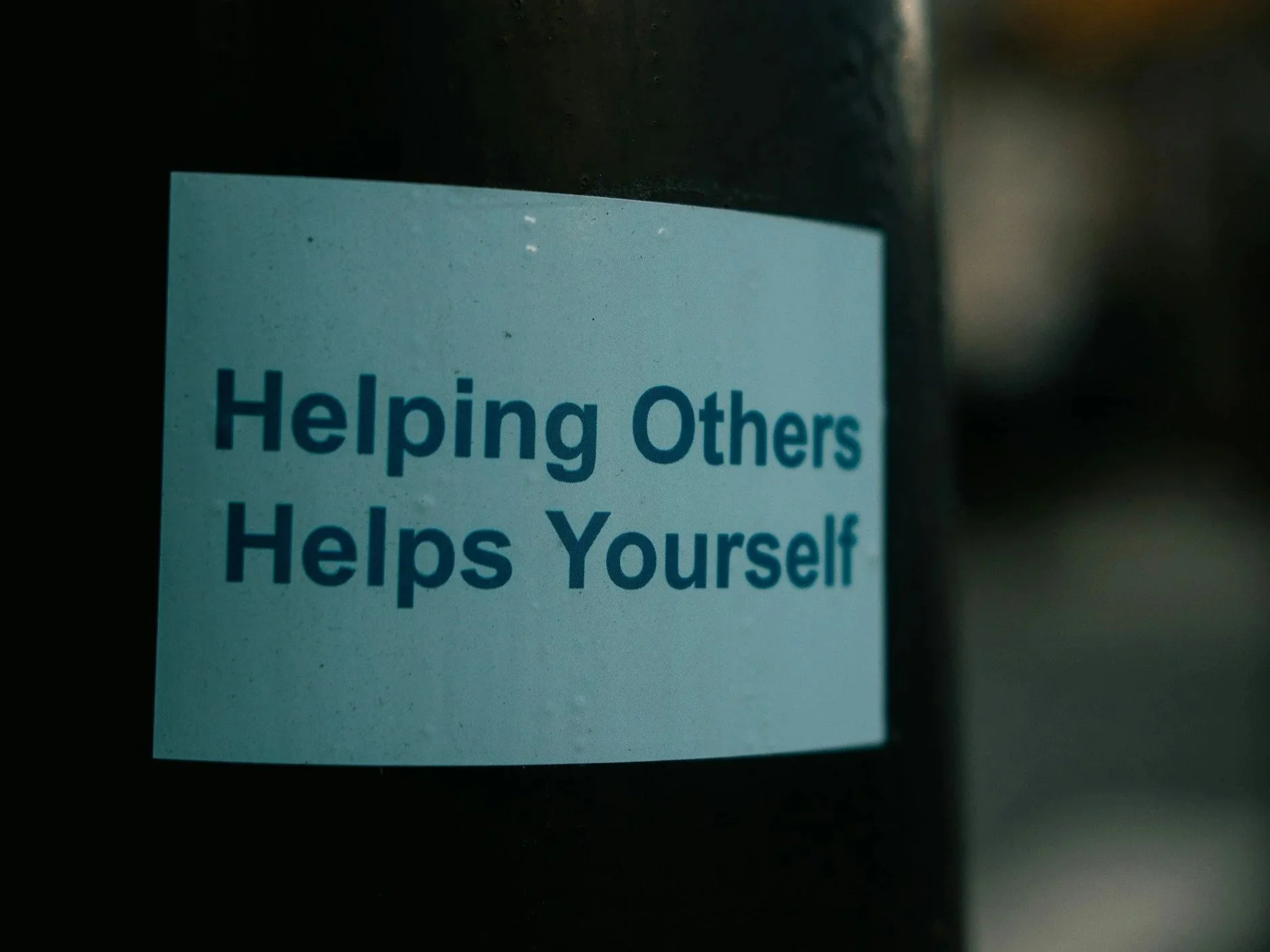
When you embody this healthier version of masculinity, you shape your environment in ways you may never fully see. You make your home feel steadier. You make friendships deeper and more honest. You model a healthier path for younger men who are watching even when you do not realise it. And you help create a culture where capability and kindness coexist.
It is not heroic. It is not glamorous. It is not something that earns you a viral clip online.
It is better than all of that.
It is the kind of strength that builds a life.
The Quiet Rebellion of Choosing Usefulness Over Noise
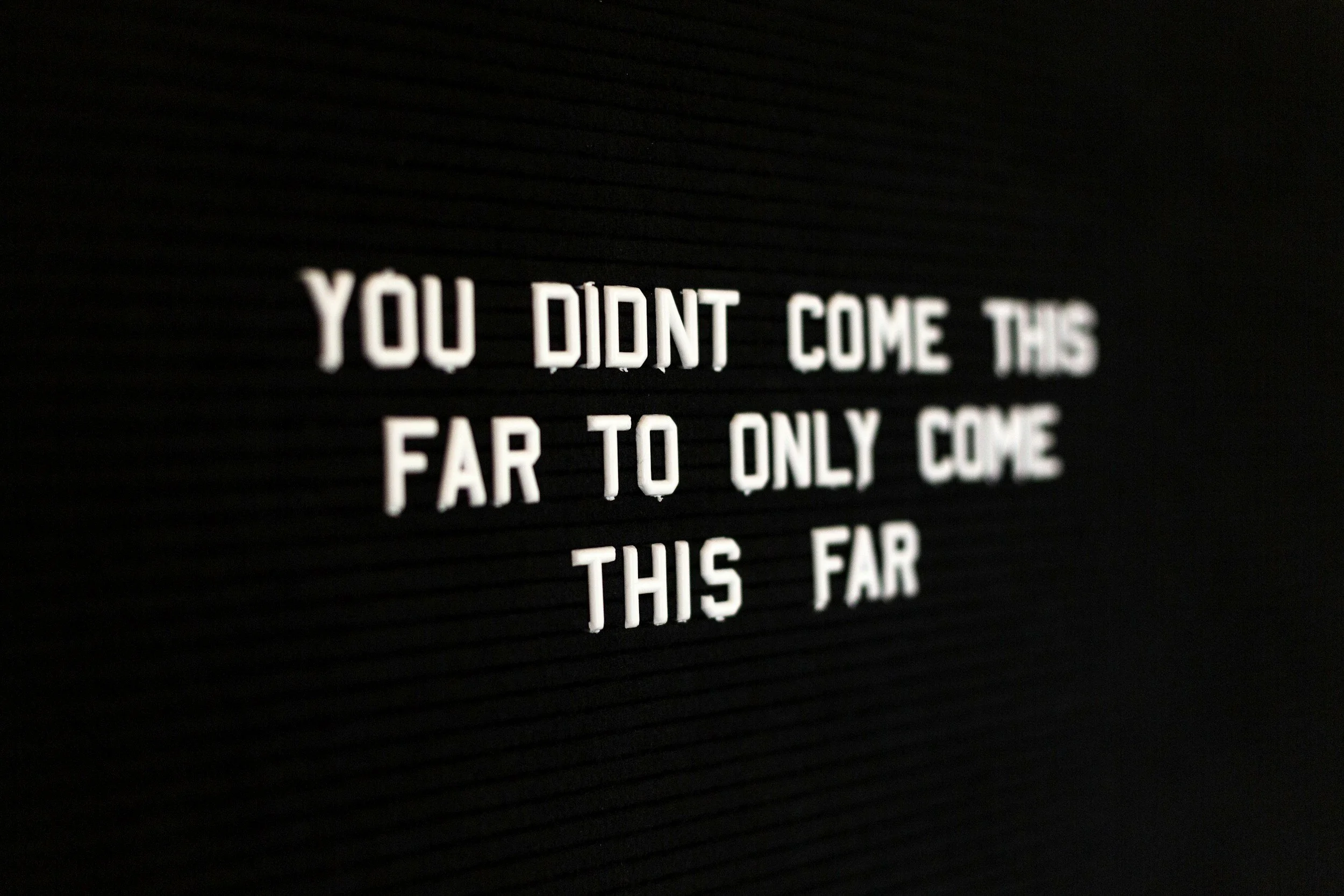
As we come to the end of this Movember series, I find myself returning to the same thought. In a world that rewards loudness, choosing usefulness is an act of quiet rebellion.
Choosing steadiness over certainty is rebellion.
Choosing service over status is rebellion.
Choosing growth over dominance is rebellion.
Choosing honesty over performance is rebellion.
Choosing connection over isolation is rebellion.
These choices do not make you passive. They make you powerful in a way that lasts.
In the past twenty-four days, while covering hundreds of kilometres and raising funds for causes that matter deeply, I have had a lot of time to think about this. Strength is not something you put on. It is something you cultivate. Something you refine. Something you offer.
Tomorrow, next week, next year, men will still be navigating noise. They will still be bombarded with ideas about who they should be. My hope is that this series has offered a different path. A steadier one. A more grounded one. A more human one.
If you take anything away from this month, let it be this:
Strength is not about being the loudest man in the room. It is about being the most useful. The most present. The most steady. The one who lifts others, listens well, learns constantly, and shows up even when it is hard.
That is what real masculinity looks like.
That is what real strength looks like.
And it is available to you right now.

Frequently Asked Questions
What is healthy masculinity and why does it matter?
Healthy masculinity encourages men to embrace vulnerability, empathy, and emotional intelligence while rejecting harmful stereotypes of toughness and emotional suppression. It promotes balanced strength that fosters deeper relationships, accountability, and mental well-being, helping men lead more fulfilling personal and professional lives.
How does traditional masculinity affect men’s mental health?
Traditional masculinity often pressures men to be stoic, self-reliant, and avoid expressing emotions. This can lead to emotional suppression, increased risk of depression, anxiety, substance abuse, and a reluctance to seek help, significantly harming men’s mental health outcomes.
Why do many men avoid talking about their mental health?
Cultural expectations around masculinity create stigma, making men feel that showing vulnerability equals weakness. Fear of judgment, shame, and societal norms discourage men from opening up about mental health struggles, leading to isolation and untreated conditions.
What are the signs men might be struggling with mental health?
Signs include increased irritability or anger, withdrawal from social activities, risk-taking behaviors, substance abuse, physical complaints without clear cause, and emotional outbursts. Men may mask sadness or anxiety with aggression or risky actions.
How can men build emotional resilience?
Men can build emotional resilience by practicing awareness and acceptance of their feelings, learning healthy coping strategies, fostering supportive relationships, and developing skills to adapt to stress without shutting down emotionally. This leads to better mental health and stronger connections.
What role does vulnerability play in modern masculinity?
Vulnerability is essential in modern masculinity as it allows men to express authentic emotions, seek support, and create meaningful relationships. It challenges outdated norms that equate vulnerability with weakness, promoting mental and emotional strength instead.
How can men balance ambition with being present emotionally?
Men can balance ambition and emotional presence by setting clear boundaries between work and personal life, prioritizing quality time with loved ones, practicing mindful communication, and defining success beyond status or income toward well-being and connection.
What practical steps can men take to support their mental health?
Prioritizing sleep, exercise, nutrition, and social connection helps mental health. Early conversations about feelings, reducing stigma around therapy or counseling, and avoiding harmful coping like substance use are critical practical strategies.
Why do men often cope with mental health challenges through risky behavior?
Emotional suppression and societal pressure to “tough it out” can lead men to mask pain using risky behaviors like substance use or reckless activities. These behaviors temporarily numb emotions but often exacerbate mental health problems.
Where can men find support if they struggle with mental health?
Men can find support through trusted friends or family, professional counselors, mental health helplines, support groups, and health care providers. Early help-seeking reduces risks and fosters recovery, despite common fears of stigma or judgment.
Support the Movember Cause
If this series has resonated with you, I would love your support. As of this morning I have covered 353.91 km this month, with a goal of 450+ km by month end. We have raised $1,303 so far, and we are pushing toward our $2,500 target in the final week.
Every dollar helps support men’s mental health, suicide prevention, prostate cancer research, and testicular cancer initiatives.
Donate via Facebook:
https://www.facebook.com/donate/4327774960878267/
Donate via my Movember MoSpace:
https://movember.com/m/15369756?mc=1
Your support truly means a lot.
Further Reading
· https://paxrenewalcenter.com/mens-mental-health/
· https://doralhw.org/why-mens-mental-health-needs-more-attention-in-2025/
· https://www.evolutionpsychotherapy.ca/building-emotional-resilience-tools-for-men/
· https://pmc.ncbi.nlm.nih.gov/articles/PMC12117241/
· https://blog.zencare.co/mens-mental-health-month-how-to-support-men-in-2025/
· https://brightertomorrowtherapy.com/promoting-healthy-masculinity/
· https://redcresearch.com/modern-masculinity-marketing-to-men/
· https://www.apa.org/monitor/2025/11-12/rethinking-masculinity
· https://mentalhealthcommission.ca/fact-sheets/stigma/raising-awareness-of-mens-mental-health/