
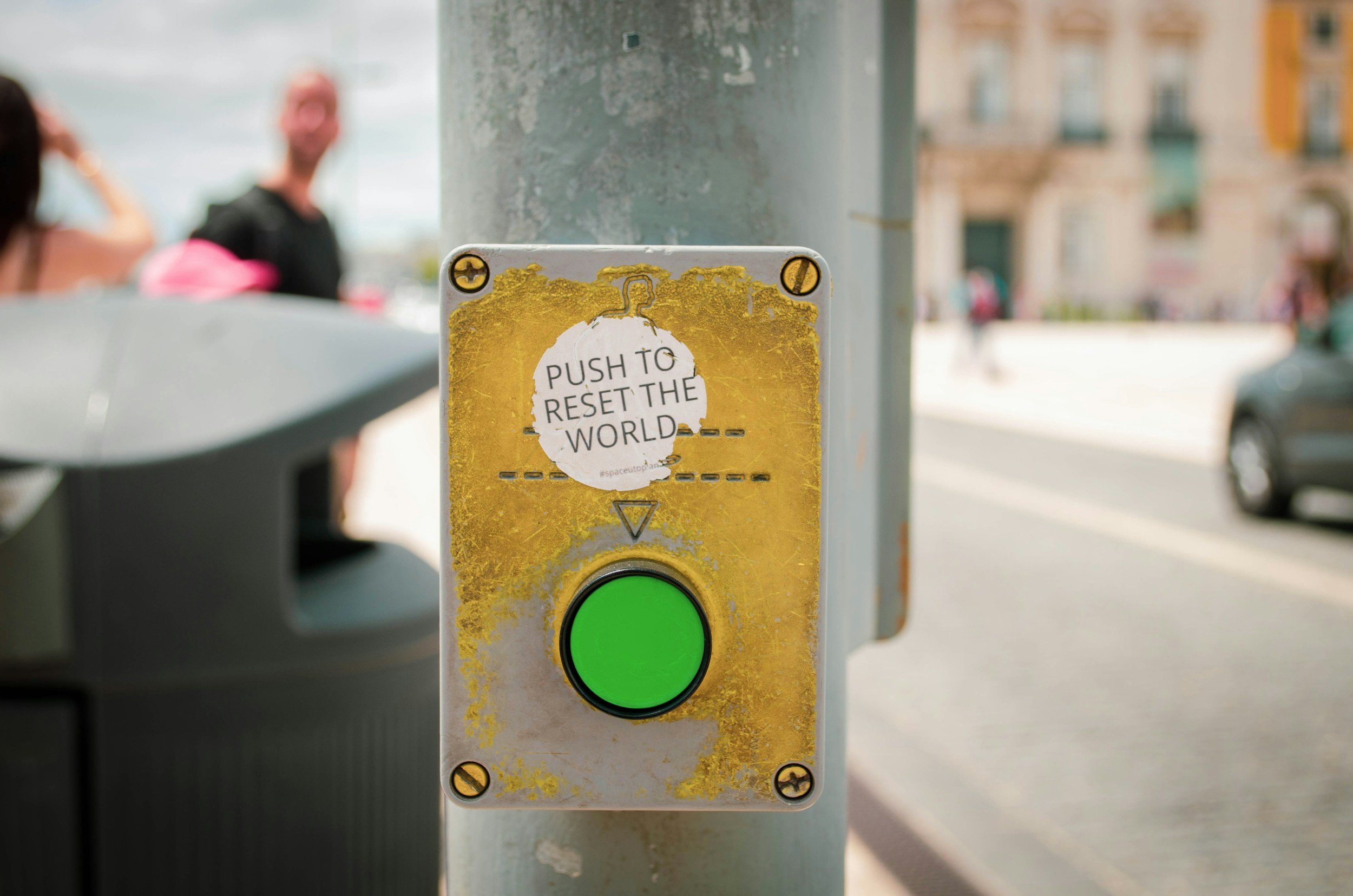
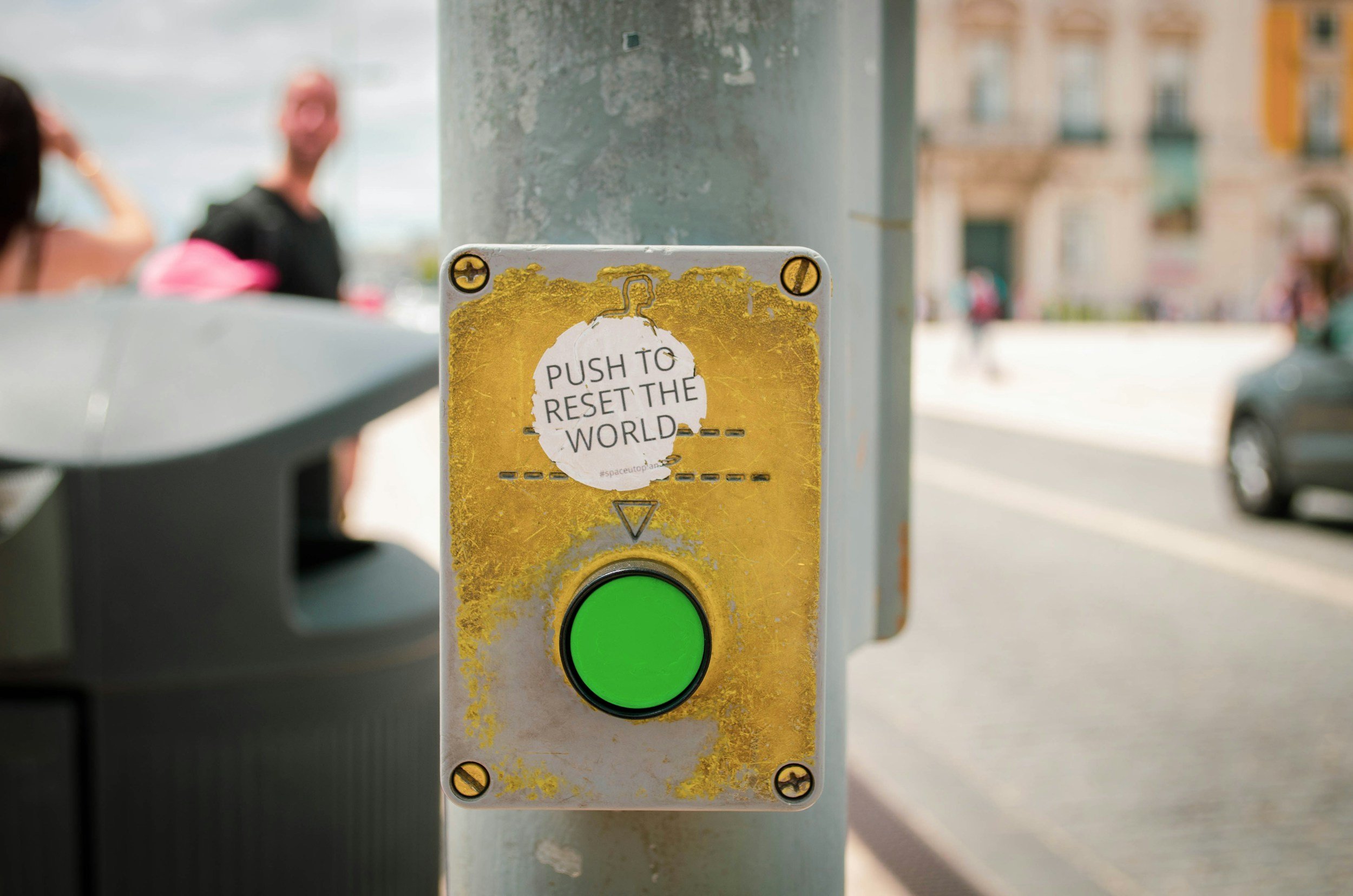
You Don’t Need a Reset, You Need Direction
Every year around this time, the same words start floating around.
Fresh start.
Clean slate.
New Year, New You.
By late December, a lot of people feel like they’ve drifted off course. The holidays have disrupted routines. Training has been inconsistent. Food choices feel messier than usual. Sleep is off. Stress is higher. And underneath all of that sits a quiet sense of disappointment, the feeling that once again, things didn’t quite line up with who you meant to be this year.
So the instinct is understandable. People want a reset.
They want January 1st to erase December. They want a switch to flip. They want to wake up motivated, disciplined, and suddenly capable of making perfect choices, day after day, without friction or fatigue.
I’ve been working with people on training since 2009 and nutrition since 2010, and I’ve seen this pattern play out hundreds of times. Not because people are lazy or uncommitted, but because reset culture is deeply seductive. It promises control, clarity, and relief from the uncomfortable tension of being human.
The problem is that resets rarely survive contact with real life.
For a few weeks, sometimes even a full month, things feel good. The plan is tight. Motivation is high. Meals are on point. Workouts are consistent. There’s momentum.
Then life shows up.
A stressful work week.
A missed session.
A family obligation.
A holiday meal.
A vacation.
A scale fluctuation that wasn’t expected.
And suddenly the reset cracks.
What happens next is rarely a calm adjustment. More often, it’s a story that forms almost instantly.
“I blew it.”
“I always do this.”
“I guess I’m just not disciplined enough.”
That story is far more damaging than the event itself. One imperfect moment turns into an identity judgement, and once that identity starts to feel true, behaviour follows.
Winston Churchill captured something important here when he said:
“Success is not final, failure is not fatal: It is the courage to continue that counts.”
Reset culture treats failure as fatal. Direction does not.
And that distinction is everything.
Why Reset Culture Keeps Failing (And Why It’s Not a Willpower Issue)
When most people say they want a reset, what they’re really saying is that they want perfection.
Perfect eating.
Perfect training.
Perfect consistency.
Perfect mindset.
It sounds disciplined. It sounds committed. It sounds serious, but in practice, it’s brittle.
Resets assume that future you will live in a world without stress, social obligations, illness, fatigue, emotional swings, or competing priorities. They rely on a fantasy version of life that does not exist for anyone, no matter how motivated or disciplined they are.
The issue is not willpower. The issue is design.
An approach that only works when conditions are ideal is guaranteed to fail eventually. When it does, the failure is interpreted not as a flaw in the system, but as a flaw in the person.
That’s where all-or-nothing thinking quietly takes over.
Either you’re on track or you’ve blown it. Either you’re disciplined or you’re weak. Either you’re doing it right or there’s no point continuing.
This mindset doesn’t just slow progress. It actively trains people to give up the moment things get uncomfortable. It teaches them that recovery is failure, rather than a normal and necessary part of change.
James Clear put it succinctly:
“You should be far more concerned with your current trajectory than with your current results.”
Resets obsess over results. Direction focuses on trajectory.
One imperfect week does not ruin a good trajectory. One perfect week does not fix a bad one. What matters is the overall pattern, not the snapshot you happen to be staring at today.

The Predictable Breaking Point: Holidays, Weekends, and the Identity Spiral
If there’s one place where reset thinking predictably falls apart, it’s around holidays and vacations.
People tend to enter these situations carrying one of two mindsets.
The first is SCARCITY:
“This is my only chance to let loose, so I might as well enjoy it.”
The second is FEAR:
“This is going to undo everything I’ve worked for.”
Neither of these leads to good decisions.
Scarcity leads to mindless overindulgence. Fear leads to anxiety, rigidity, and often a rebound effect that’s just as destructive. Both create a snowball that rarely stops when the holiday ends.
I see this same pattern play out on a smaller scale in what I hear my clients say every week:
“I’m really good during the week, but I have no control on weekends.”
“I eat clean Monday to Friday, then everything falls apart.”
“I just can’t say no when I’m out with friends.”
So the cycle becomes restriction followed by indulgence, guilt, and punishment. Some people double down on restriction the following week. Others give up entirely and decide they’ll try again later.
What’s missing in these scenarios is not discipline. It’s permission.
Permission to enjoy food without guilt. To be imperfect without self-loathing. To return to better choices without feeling the need to atone.
Without that permission, every indulgence becomes evidence that something is wrong with you. Over time, that belief hardens into identity.
Oprah Winfrey captured this idea simply and powerfully:
“What we dwell on, we become.”
If you dwell on failure, you reinforce a failing identity. If you dwell on learning, resilience, and forward motion, you build something very different.
Reset Versus Direction: The Shift That Actually Changes Outcomes
Here’s the distinction that matters more than any macro target or workout split.
A reset says, “Erase the past and start perfectly.”
Direction says, “Accept reality and move forward intentionally.”
Direction is quieter, less dramatic, far less exciting on social media...and far more effective.
Direction does not require motivation to be sky-high. It does not depend on ideal conditions. It does not collapse the moment life gets messy.
Instead, it’s built on a few foundational ideas:
Consistency matters more than intensity.
Adaptability matters more than rigidity.
Recovery matters more than punishment.
This is why the people who make lasting changes often look unremarkable in January. They are not doing anything extreme. They are doing things they can actually repeat.
They train consistently, not obsessively.
They eat well most of the time, not all of the time.
They course-correct quickly instead of starting over.
They treat mistakes as information, not moral failures.
From the outside, it can look boring. From the inside, it feels sustainable.

A picture I took on the 2024 Spartan Race SoCal Beast course - no doubt which direction we were headed! LOL
What Direction Looks Like in Real Life
When I work with clients who are trying to move away from reset thinking, I come back to the same reminders again and again.
One meal, one day, one week does not define you.
You CAN enjoy life, celebrations, and social meals without becoming a failure.
You do not need to earn your way back into being “good.” You simply need to keep going.
What matters most is what you do most of the time.
Even when someone does go overboard, which happens to everyone at some point, the response matters far more than the event. Guilt keeps people stuck. Curiosity moves them forward.
“What happened here?”
“What was I feeling or reacting to?”
“What could I do one percent better next time?”
That mindset shift is subtle, but it’s powerful.
Resilience is not about never slipping. It’s about shortening the distance between slipping and recovering. People who build direction into their lives don’t avoid mistakes. They just don’t let mistakes derail them.
The Identity Shift That Actually Sticks
If there’s one belief I would love to see people let go of as they head into the new year, it’s this one:
“I need an all-or-nothing reset to become the person I want to be.”
Pardon the language, but FUCK THAT NONSENSE!
Your own experience tells you this isn’t true. The worldwide statistics over the entirety of time that New Year’s resolutions have been a thing tell you it isn’t true. Repeating the same strategy year after year and hoping it works this time is not optimism. It’s inertia.
The identity that actually leads to change is far less dramatic.
“I’m someone who practices better choices, not perfect ones.”
“I’m someone who recovers quickly.”
“I’m someone who keeps going.”
Better, not best. Small changes layered over time. Habits that survive bad days. A trajectory that trends in the right direction, even when progress is uneven.
That identity doesn’t shatter under pressure. It bends, adapts, and continues.

A Different Way to Enter January
January does not need to be a reset button. It can simply be a direction check.
Ask yourself:
“Where am I heading right now?”
“What’s one small change that would nudge that direction forward?”
“What can I sustain when motivation dips and life gets busy?”
You don’t need ten new habits. You need one or two that actually stick.
Pick something simple. Something repeatable. Something you can do even on imperfect days. Then let it compound.
Direction is quieter than a reset, but it’s how change actually lasts.
How Weight Loss Really Works (And Why Direction Matters)
If you’ve felt frustrated by cycles of progress and regression, it’s often not because you’re doing everything wrong. More often, it’s because you’re trying to manage a long-term process with short-term thinking.
Fat loss and behaviour change are not about constant restriction, perfection, or white-knuckled discipline. They’re about creating an environment where better choices are easier to repeat, even when life gets messy, motivation dips, or routines get disrupted.
This is the gap most people miss.
They chase outcomes instead of systems, and intensity instead of consistency. When intensity fades, which it always does, everything starts to unravel. That’s when people reach for another reset, another rule set, another attempt to start over from scratch.
Direction changes that.
Understanding how weight loss actually works, how habits are built, and why consistency beats extremes is what allows you to stop starting over and start moving forward with confidence.
If you want a clearer, step-by-step explanation of these ideas in practical terms, I’ve put together a short, free mini-course called How Weight Loss Really Works. It walks through the core principles behind sustainable fat loss, mindset, and habit change in plain language, without gimmicks, guilt, or extremes.
You can sign up for the mini-course and get started right away here:
👉 https://btgfitness.thinkific.com/enroll/3625224?price_id=4564322
If you’d rather read through the concepts first, there’s also a full overview on the site here:
👉 https://www.btgfitness.com/how-weight-loss-really-works
Either way, the aim is the same: fewer resets, less noise, and a clearer direction you can actually stick to.

Frequently Asked Questions
Below are a few common questions that tend to come up when people start shifting away from all-or-nothing thinking.
-
Most New Year’s resolutions fail because they are vague intentions rather than specific, realistic plans that fit into everyday life. Many people rely on a surge of motivation in January instead of building small, sustainable habits that can continue once motivation fades. When goals are too ambitious, too restrictive, or not connected to a clear plan, the first few setbacks often lead people to abandon them entirely.
-
All-or-nothing thinking is the belief that habits only count if they are followed perfectly, and that any slip means failure. This mindset often leads to short periods of strict behaviour followed by long stretches of giving up altogether. Over time, it makes progress feel fragile, because a single missed workout or unplanned meal becomes a reason to stop trying instead of simply adjusting and continuing.
-
Falling off track usually happens when a plan depends on ideal conditions and does not account for stress, travel, illness, or busy periods. When life gets messy and there is no scaled-down version of the habit, it becomes easy to skip completely and then feel discouraged. Without simple fallback options, such as shorter workouts or easier meals, small disruptions can quickly snowball into longer breaks.
-
Instead of relying on strict resets, focus on building routines you can follow even on average or difficult days. Smaller, repeatable actions, such as one balanced meal at a time or a short daily walk, make it easier to keep going after slip-ups. Planning ahead for weekends, holidays, and low-energy days helps shift the focus from starting over to adjusting and continuing.
-
Consistency improves when habits are designed to be simple and connected to existing routines, rather than relying solely on motivation. Attaching a habit to something you already do, such as walking after lunch or stretching after brushing your teeth, reduces the effort needed to start. Defining a minimum version of the habit, like five minutes of movement, also makes it easier to stay consistent on low-energy days.
-
After overeating or missing workouts, the most helpful step is to return to your usual routine at the next opportunity rather than trying to compensate with extreme restriction or extra exercise. Viewing the lapse as information rather than proof of failure makes it easier to identify triggers such as stress, fatigue, or lack of planning. A calm return to normal habits supports long-term progress far more effectively than guilt or punishment.
-
Sustainable weight loss usually comes from modest, consistent changes to eating and activity habits that can be maintained long term. This often includes eating more whole foods, planning regular meals, limiting highly processed options, and staying active in ways that fit your schedule and preferences. Approaches based on extreme restriction or rapid changes may produce short-term results, but they are harder to maintain and more likely to lead to repeated cycles of regain.
-
Handling social events is easier when you plan ahead with a loose idea of how you will eat and move, rather than leaving everything to chance. Simple anchors, such as not skipping meals, including some protein and vegetables, and avoiding eating far past comfortable fullness, can help maintain balance. Accepting that your routine will look different for a few days and deciding in advance how you will return to normal habits keeps these occasions part of your overall plan rather than a break from it.
-
A helpful mindset shift is to view progress as the pattern formed over many days, not the outcome of any single day. When something does not go as planned, asking what made it harder and what small adjustment could help next time is more productive than self-judgement. Treating setbacks as normal and expected makes it easier to return to your usual habits quickly.
-
Motivation and willpower play a role, but both fluctuate, which is why lasting habits depend more on systems and environment. Clear plans, consistent cues, and surroundings that make helpful behaviours easier reduce the need for constant motivation. Over time, well-designed systems allow habits to feel more automatic, which is why small, consistent actions often outperform short bursts of intense effort.
Further Reading
If you’d like to explore these ideas further, here are a few related articles and resources worth revisiting.